Introduction: Why Safe Giving Matters
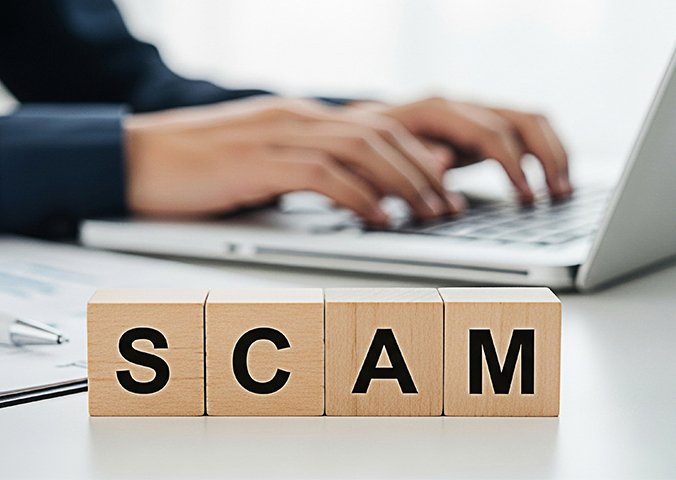
The giving season is a time of generosity, compassion, and community support. Unfortunately, it is also the peak season for charity scams. Fraudulent organizations prey on goodwill, tricking donors into sending money to fake charities. To ensure your contributions truly help those in need, it’s essential to learn how to donate safely and recognize red flags before making a gift.
Policy Objective
This blog provides a structured guide to protect donors during the holiday season. It outlines:
- Donation tips for safe giving
- Steps to vet non-profits before donating
- Warning signs of charity scams
- Best practices for secure transactions
Understanding Charity Scams
What Are Charity Scams?
Charity scams occur when fraudsters pose as legitimate non-profits to solicit donations. They may use emotional appeals, fake websites, or misleading social media campaigns.
Why They Increase During the Giving Season
- High donor activity: More people give during holidays.
- Emotional triggers: Scammers exploit empathy for disaster relief or children’s causes.
- Digital convenience: Online giving makes it easier for fraudsters to create fake donation portals.
How to Spot Fake Charities
Red Flags to Watch For
- Pressure tactics: Urgency to donate immediately.
- Lack of transparency: No clear mission, financials, or contact details.
- Unverified payment methods: Requests for wire transfers, gift cards, or cryptocurrency.
- Suspicious websites: Poor design, no SSL certificate, or copied content.
Common Scam Techniques
- Phishing emails disguised as donation requests.
- Fake social media campaigns with emotional videos.
- Impersonation of well-known charities using similar names or logos.
Donation Tips for Safe Giving
Verify Before You Give
- Check registration: Ensure the charity is registered with government authorities.
- Review ratings: Use trusted platforms like Charity Navigator or GuideStar.
- Confirm legitimacy: Call the organization directly before donating.
Use Secure Payment Methods
- Credit cards: Offer fraud protection.
- Official donation portals: Avoid third-party links.
- Receipts and records: Always request documentation for tax purposes.
Best Practices for Non-Profit Vetting
Research the Organization
- Mission clarity: Does the charity clearly state its purpose?
- Financial accountability: Review annual reports and audited statements.
- Impact evidence: Look for measurable outcomes of their work.
Transparency Standards
- Board governance: Legitimate charities disclose leadership details.
- Privacy policies: Ensure donor data is protected.
- Public reviews: Check testimonials and independent evaluations.
Safe Giving Checklist
Before donating, ask yourself:
- Is the charity registered with official authorities?
- Does the website look secure (https://, SSL certificate)?
- Are payment methods legitimate and traceable?
- Can I verify impact through reports or testimonials?
Conclusion: Donate Smarter, Not Faster
The holiday season is about spreading kindness, but scammers exploit generosity. By following these donation tips, vetting charities carefully, and staying alert to charity scams, you can ensure your contributions truly make a difference.
Remember: Safe giving is smart giving. Protect your money, support authentic causes, and help build trust in the non-profit sector.
Leave a Reply
Your email address will not be published.
0 Comments On this Blog